
Mayvun Arc
Brand strategyTone of voiceIdentity refinementBrand kit
Executive and leadership search for tech and AI companies, working with top-tier Bay Area VCs and their portfolio companies. Two founders, coming out of stealth.
In short
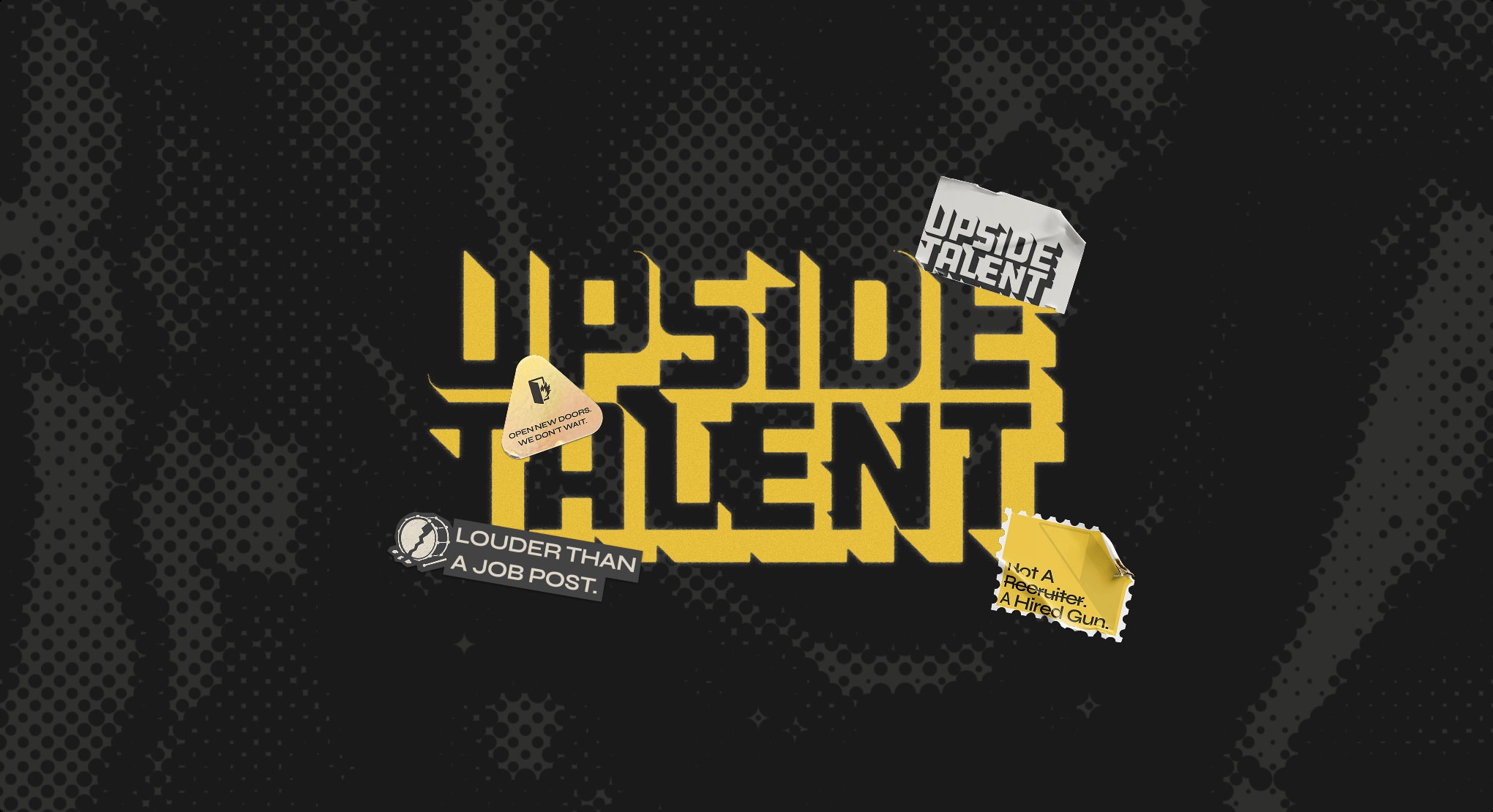
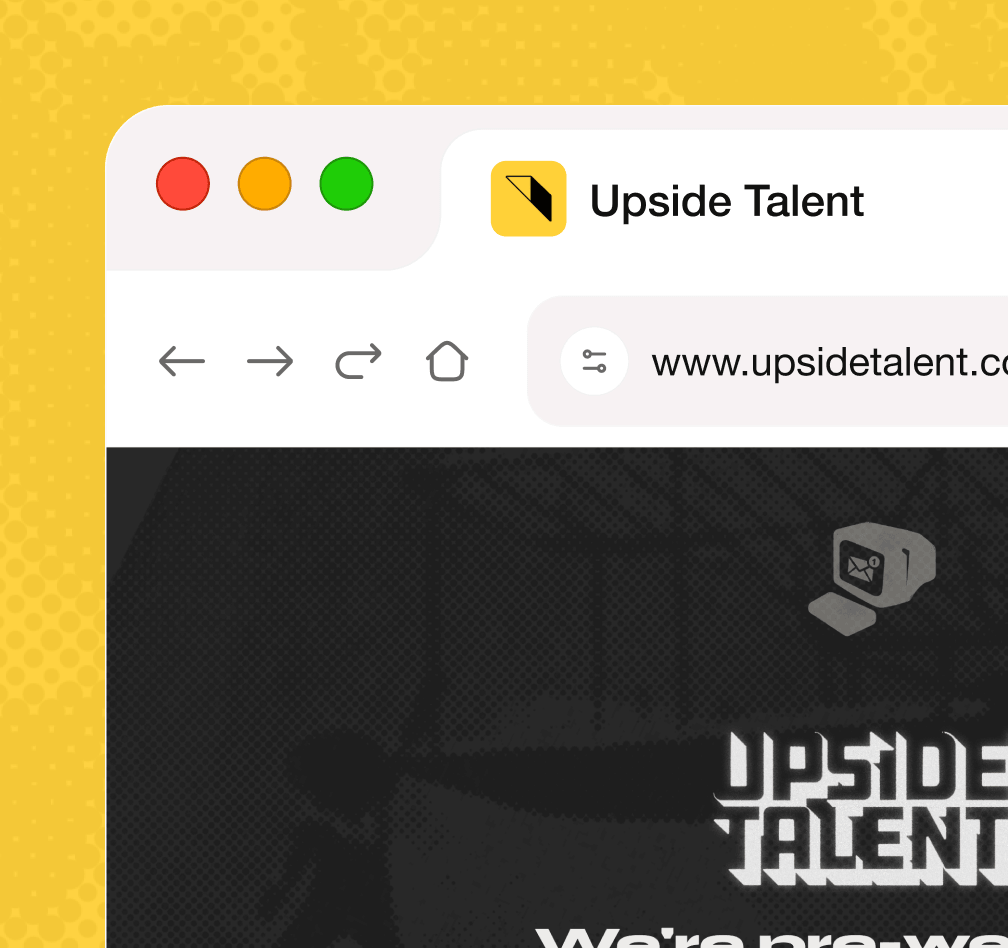
Eight weeks from a bootstrapped stealth phase to going public. The scoping deck that was doing the selling went from looking like a free Figma template to something that holds up in front of a VC.
Two founders who arrived with references, not a brief. Ragged edges, Third Man Records, and a category they refused to join.
Joel and Sam now produce their own decks, banners and launch motion. They don’t come back to us for assets.
Before
Upside Talent were coming out of a bootstrapped stealth phase and stepping into public view. In Joel’s words, what they had was “very scrappy and didn’t feel like it represented us.”
There was no website. The scoping deck was doing the actual selling. Structurally it worked, and it consistently got good feedback from the people it went to. It also looked like a free Figma template and read like an internal presentation. That deck was going to top-tier VCs, and to senior candidates deciding whether Upside was worth a conversation.
The harder problem was the brand itself. Joel and Sam knew what they were aiming at and couldn’t get there. Edgy and bold. Closer to a marketing or brand agency than to anything in AI, SaaS or talent. The references on the table were ragged edges, Third Man Records, particular pieces of type.
What they couldn’t do was turn that into a brand a VC would take seriously. Joel’s own version of it: “It was probably easier to describe what we didn’t want more than what we did want. We were, in a way, completely lost with that.”
What we did
The actual job was to make their references real without letting the result stay a mood board.
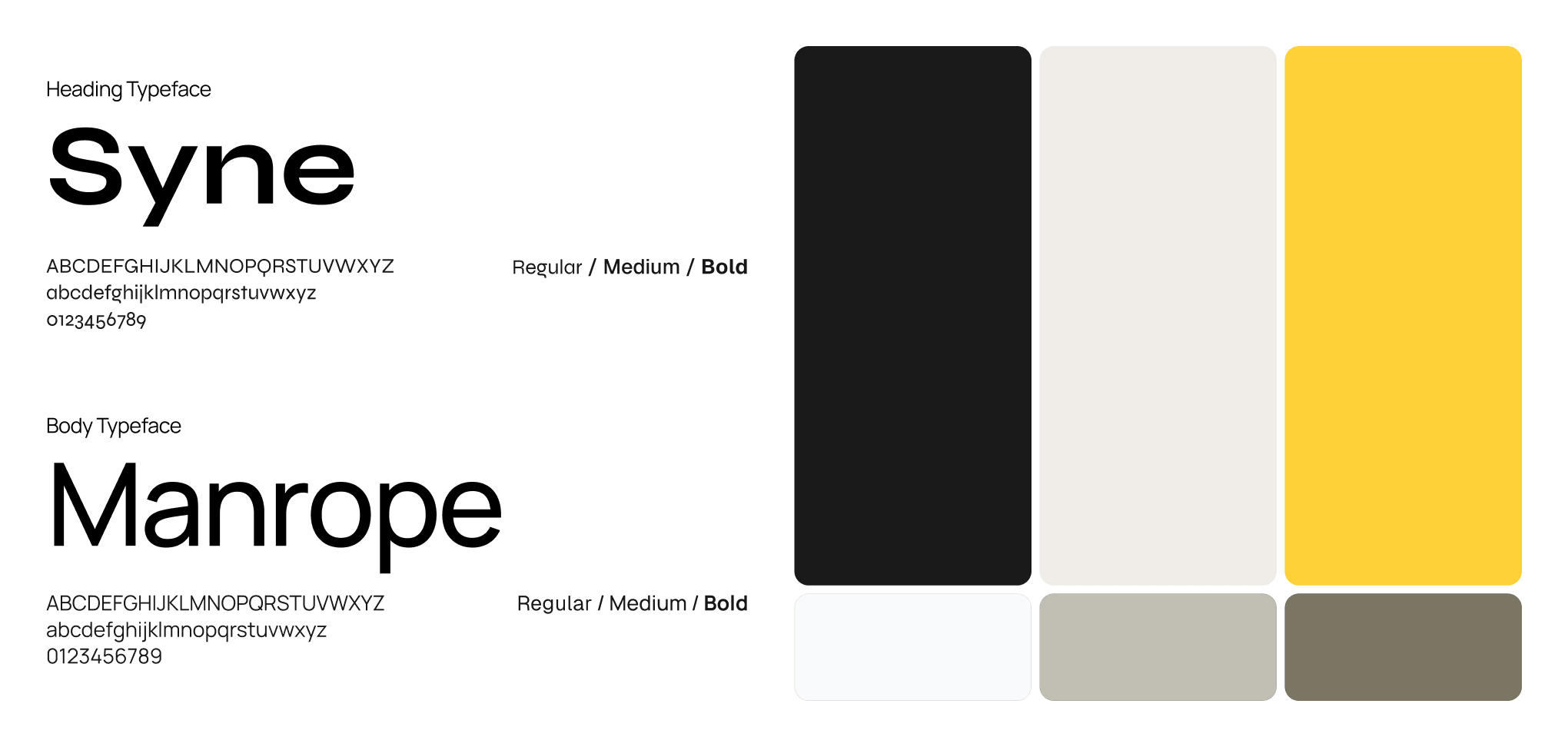
So no logo, not at the start. We built two complete worlds instead, each with colour, type, texture and motion already in place, so Joel and Sam had something whole to react to. A reference set gives you the temperature. It doesn’t tell you the brand. We had that reaction inside the first fortnight.
Some of it came from what they already had. Parts of the original identity, the one Joel called scrappy, turned out to be the right instincts badly executed. Those came forward into the new system.
Logo-first, that conversation is unwinnable. You end up arguing about the pointiness of the spear without knowing what it’s for.
Before
After
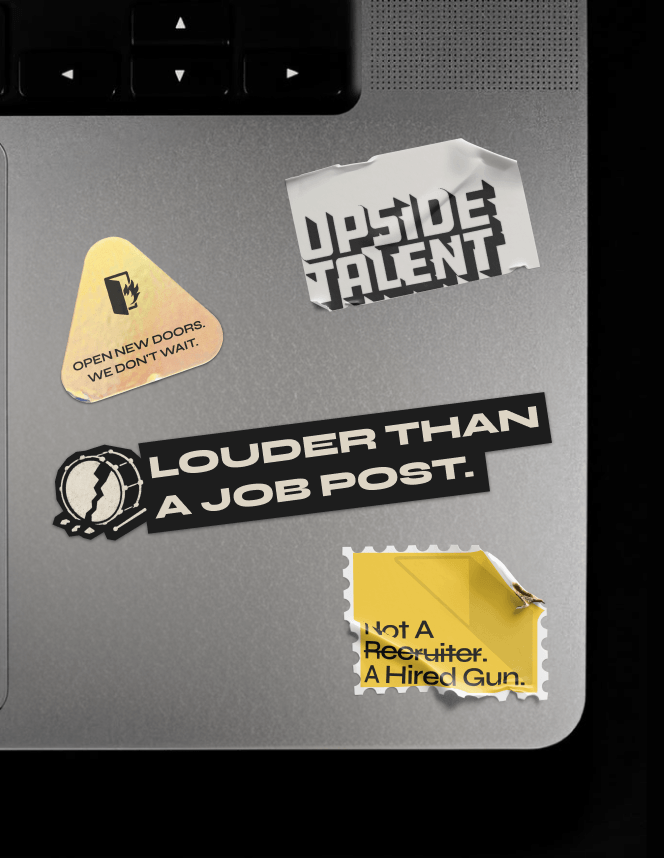
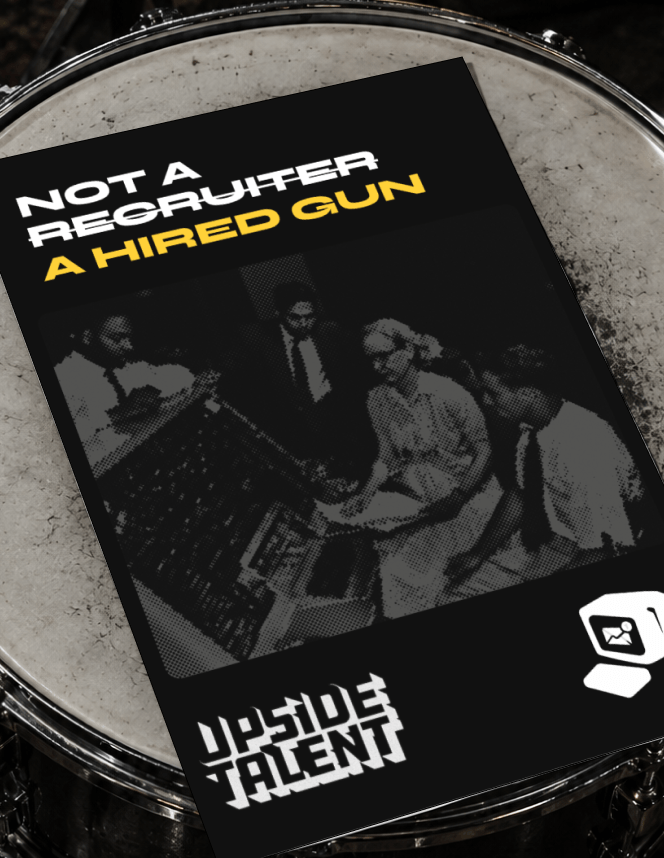
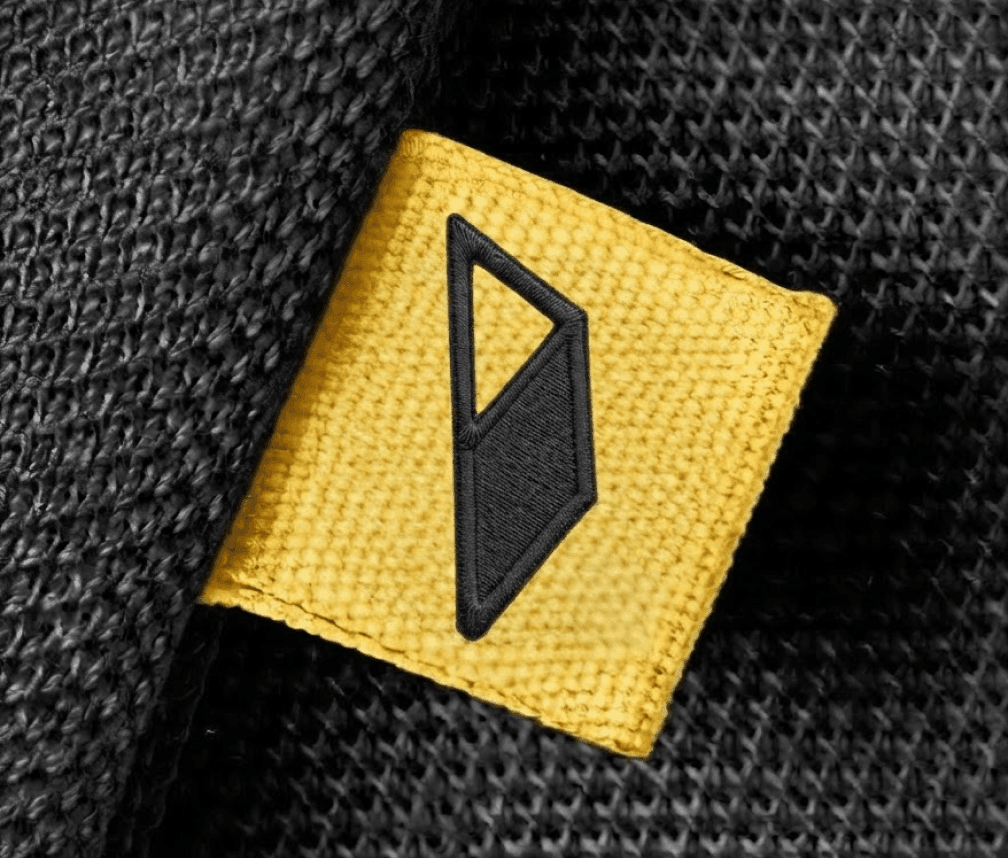
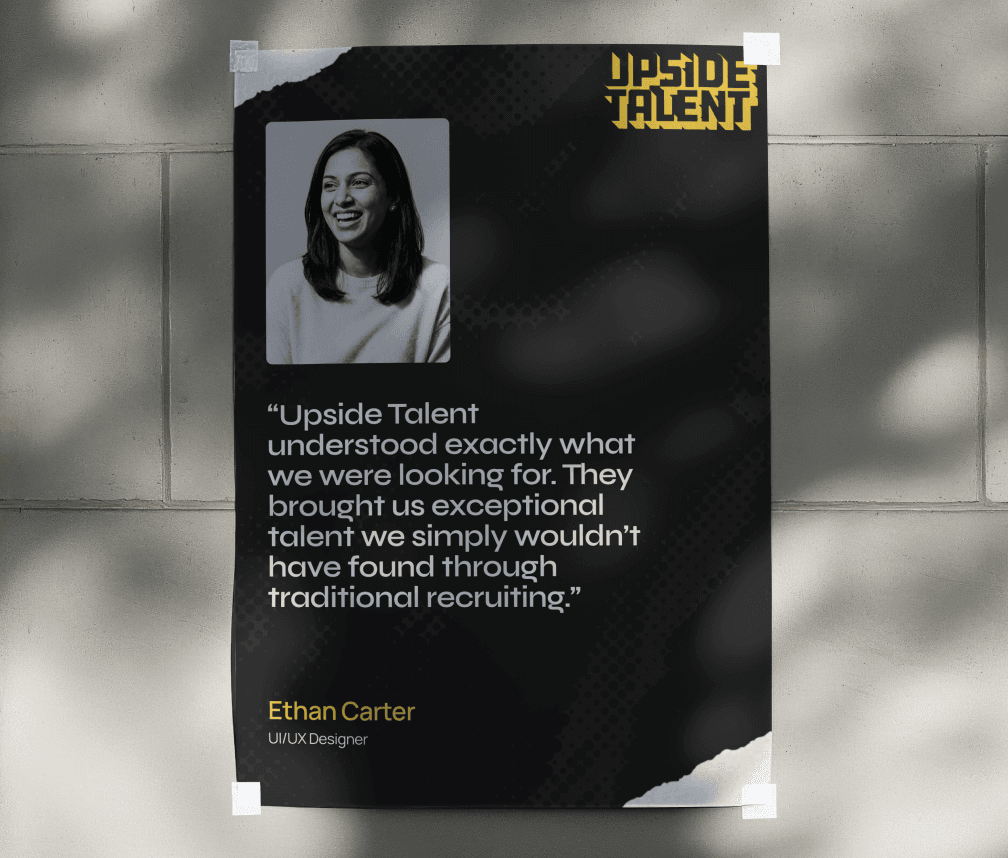
Midway
About halfway through, it nearly went vanilla.
Getting taken seriously by AI buyers means looking trustworthy, and the pull toward looking trustworthy is a pull toward looking like everyone else. When it came to committing, the nerve went. The safe option was sitting right there and we took it.
It came back too clean. It didn’t belong to the brand they’d already fallen for.
Building the world first is what paid for itself here. The gap was obvious to everyone in the room, because there was something to measure the safe version against. And Joel wouldn’t let it settle. He’d bought into the spirit of the thing and had no interest in a version he couldn’t be proud of. So we stayed in it longer than was comfortable, and came out with something distinctive that was still credible.
Launch
Went public in eight weeks
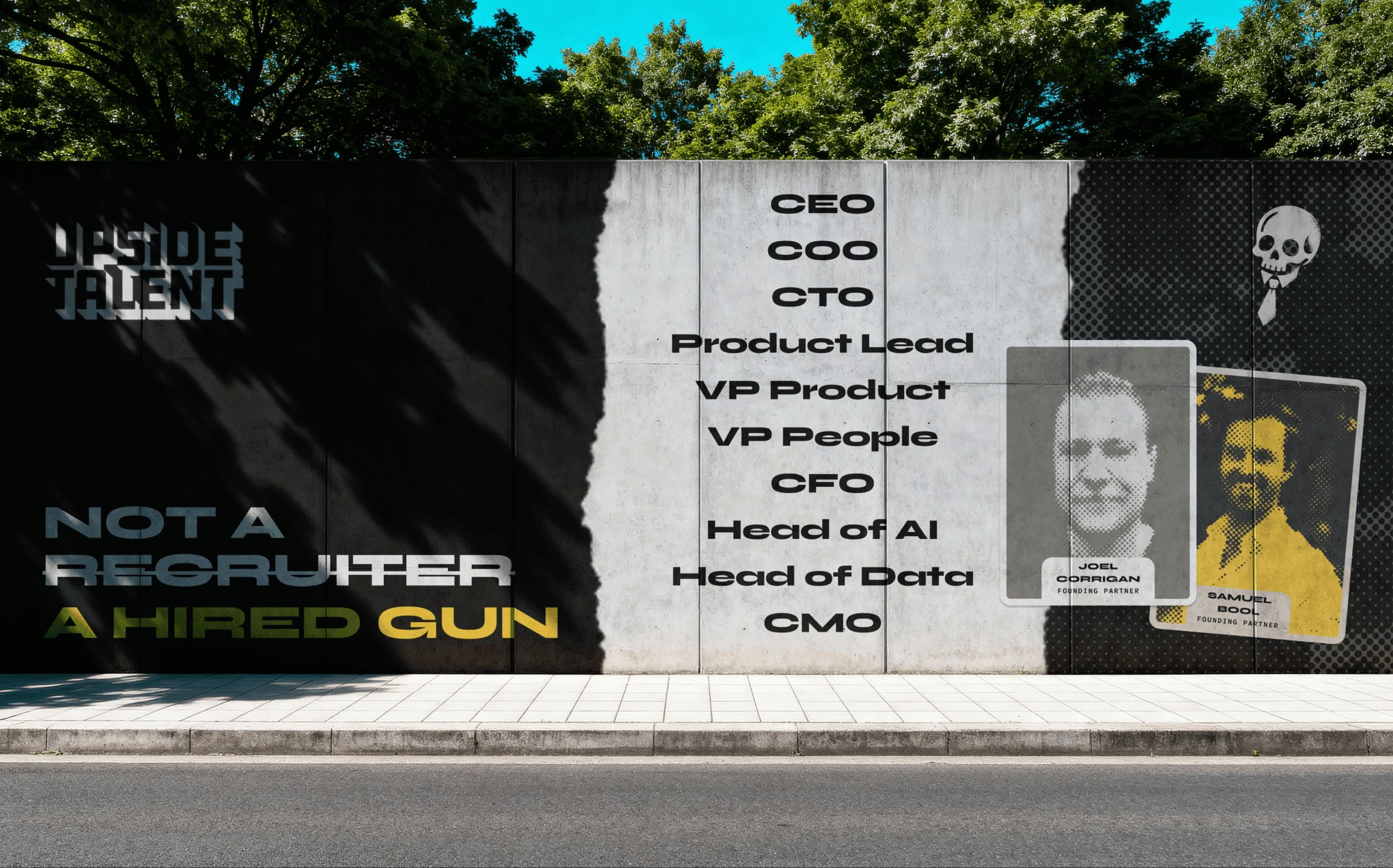
The deck carrying the sales conversation now looks like the firm they’re trying to be, and the outreach has somewhere to point.
“Definitely made by a human”
Ten weeks after handover, a deck came back from the other side of a pitch with that remark. In a category where everything looks the same, it didn’t look automated.
We’re not in the loop
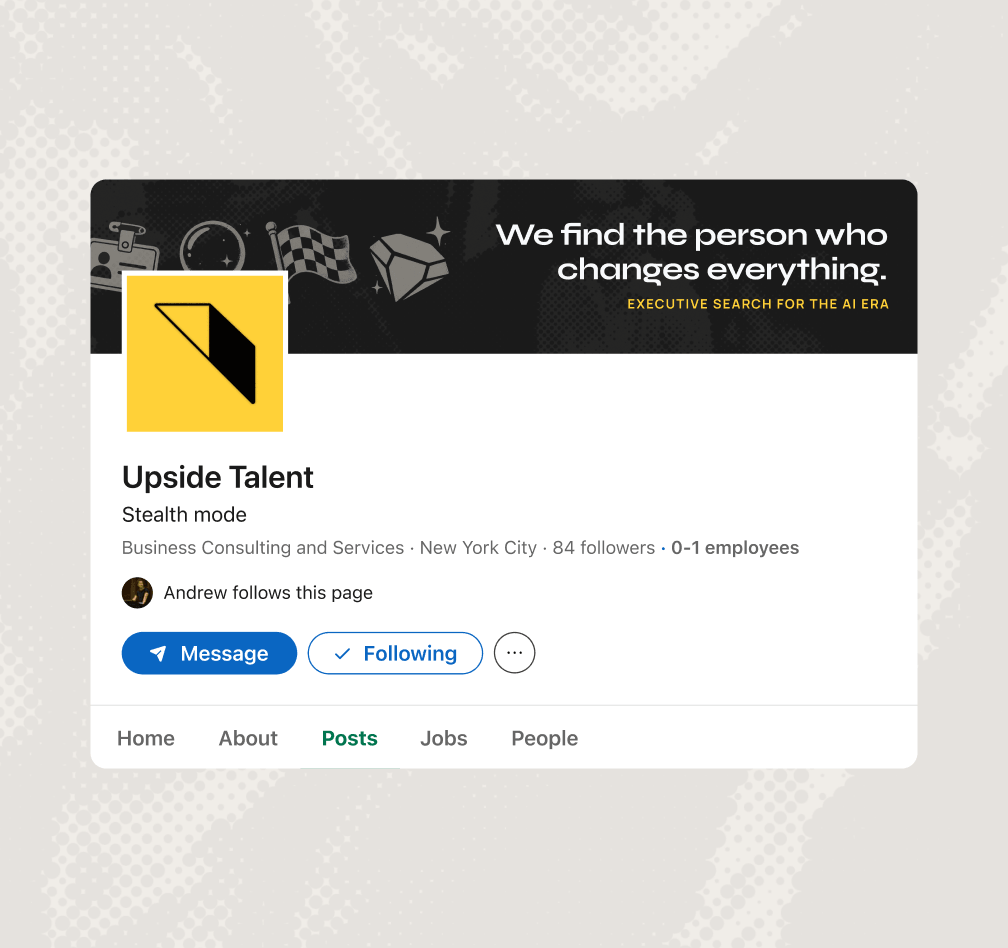
Joel loaded the system into Claude Design. He and Sam produce decks, LinkedIn banners and launch motion out of it themselves.
The right order of things
Upside can move at their own speed. A new deck doesn’t wait on a designer. Neither does a launch post. For a firm whose whole pitch is speed, that matters more than it sounds.
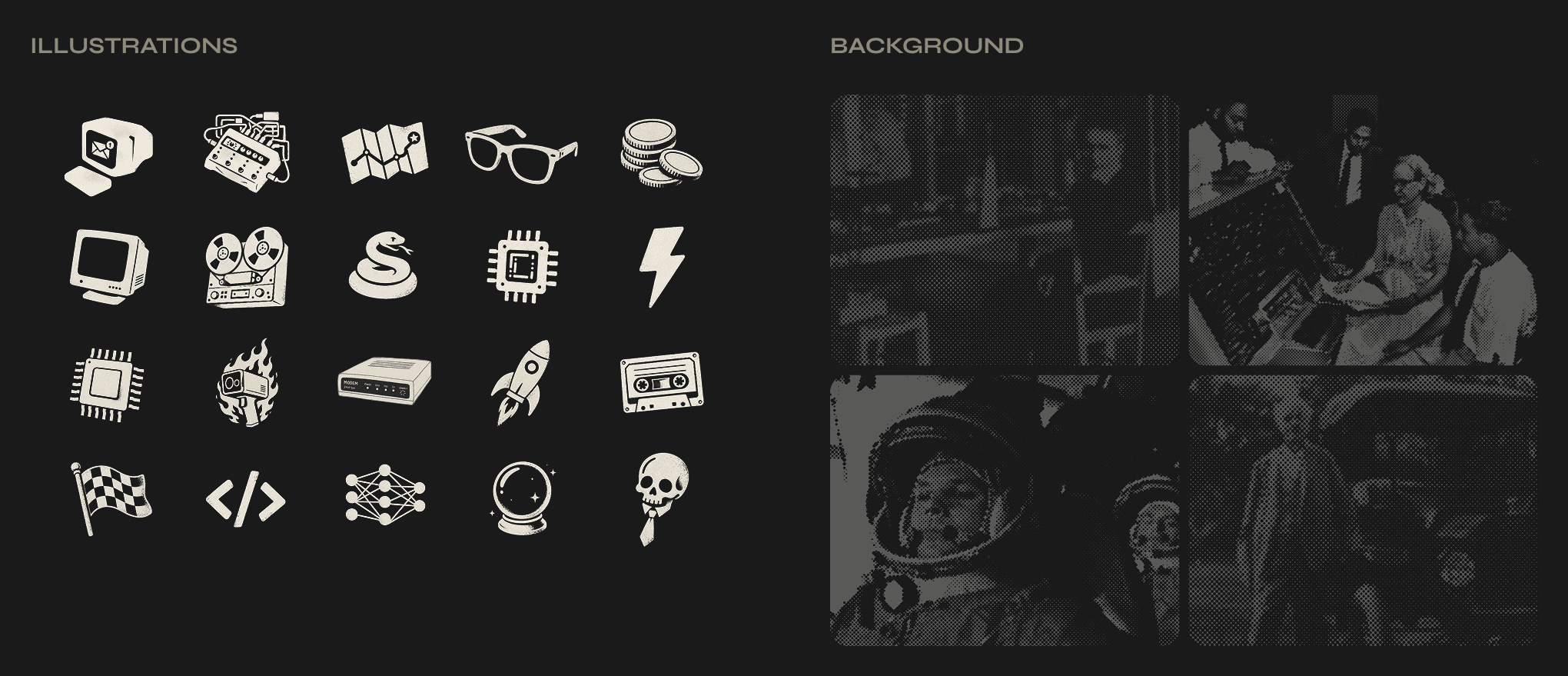
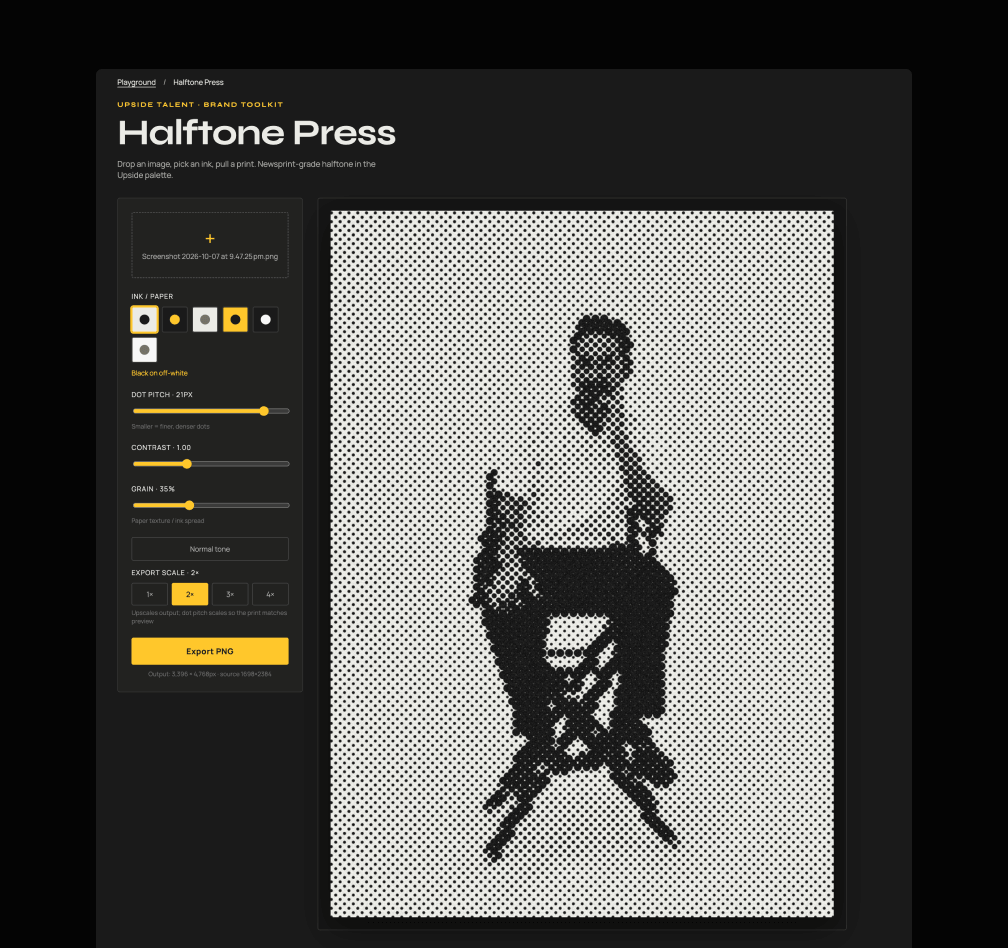
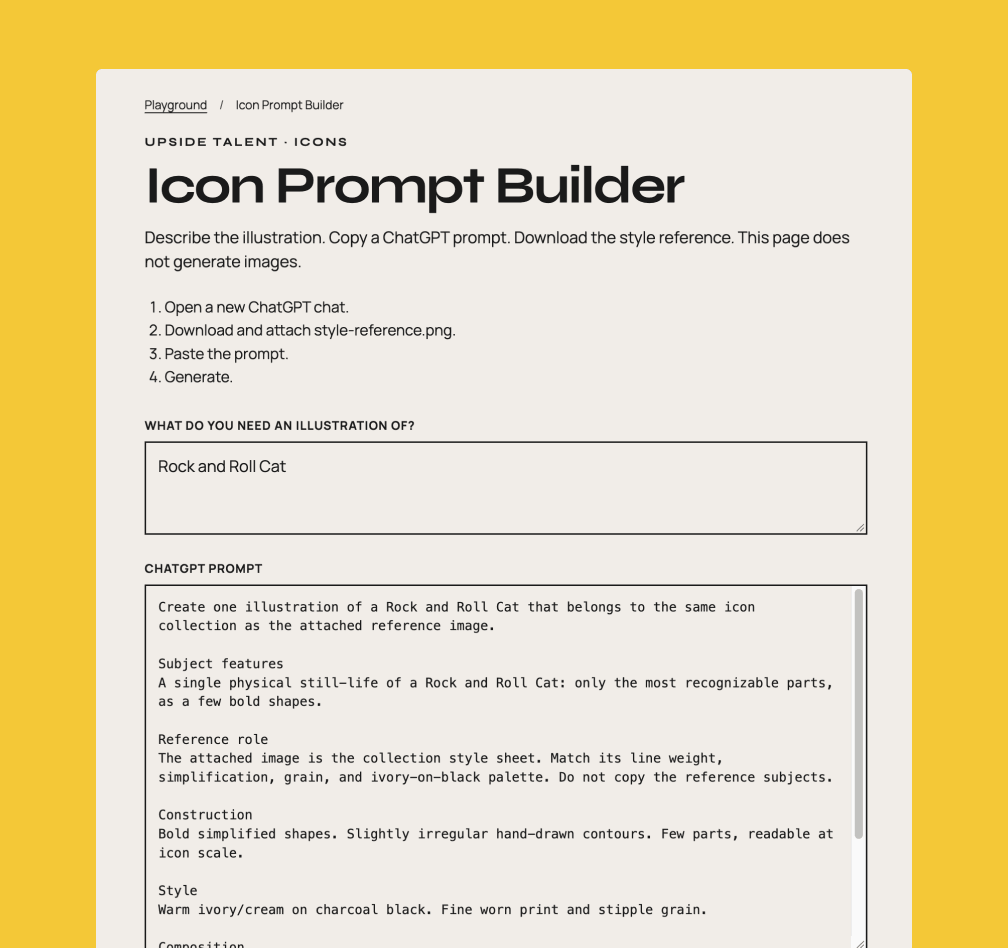
It’s kept going since. When AI-generated illustrations started drifting off-brand, we built them a prompt generator. Describe the image you want, it writes the prompt, you paste that into ChatGPT with the reference sheet, and what comes back is on brand. It sits alongside the image filter from the original handover, which gives them two tools for making their own assets without a designer and without the output looking cheap.
The architecture holds up too. Upside leads, Talent sits underneath, so when the business becomes more than search they can add to it instead of starting again.
“Johan treated the process more like a product design perspective and really helped us go through a phase of discovery, and to really help us land in the place that was perfect in the end. The care he took, the depth he went to and, dare I say, even the courage and vulnerability to be challenged and debate ideas really made the process fun, and ultimately gave us a huge amount of confidence on who we were working with. We couldn’t be happier with where we’d landed.”